


5.0 / 5
How satisfied were you with the behaviour and cooperation of the staff?
The Malampuzha Block Development Office, established in 1991, transitioned into the Malampuzha Block Panchayat—a system of grassroots democratic governance—following the implementation of the three-tier Panchayat Raj system in Kerala on October 2, 1995. Administrative councils led by Shri V. Karthikeyan (1995–2005) and Smt. U. Lakshmi Devi (2005–2010) served successively, followed by a council led by Shri E.P. Radhakrishnan (2010–2015). Subsequently, the Block Panchayat was led by councils under the leadership of Smt. K.P. Shaija (2015–2020) and Shri Bijoy V. (2020–2025). Currently, the Block Panchayat is led by an administrative council under the leadership of Shri K. Krishnankutty.
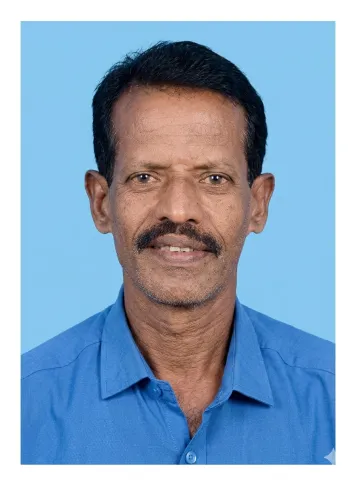
President
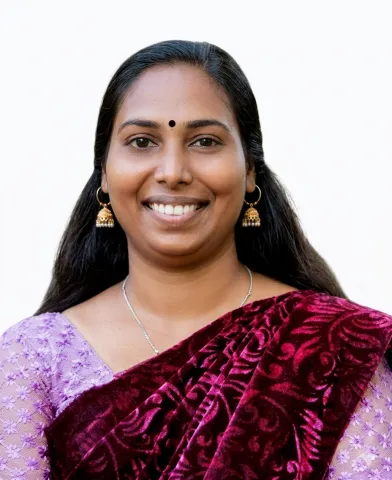
Vice President & Chairperson Standing Committee for finance

Chairperson, Standing Committee for development
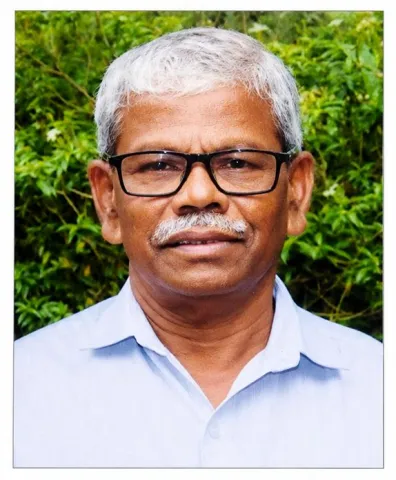
Chairperson, Standing Committee for Welfare
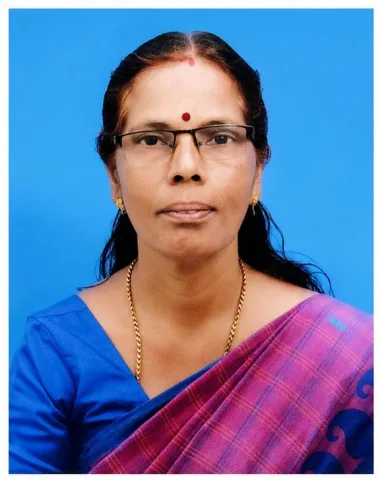
Chairperson, Standing Committee for Health and Education
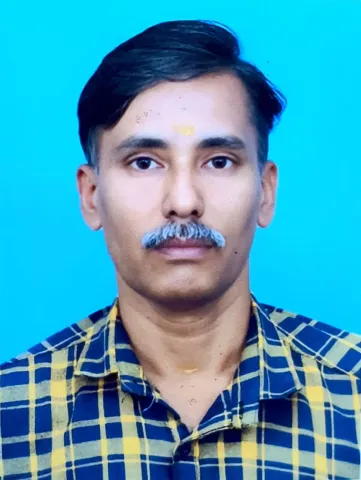
Secretary, Block Panchayat

At a Glance
Malampuzha Block, a key administrative region in Palakkad district, spans an area of 403.68 square kilometers. Characterized by diverse terrain, the block has a total population of 200,289, comprising 99,020 men and 101,269 women. It maintains a healthy population density of 428 persons per square kilometer and an exemplary sex ratio of 1,023. The block also excels in educational attainment, boasting an average literacy rate of 84.43%.
Download Now



History of Malampuzha Block Panchayat The Malampuzha Block Panchayat is a local self-government institution that holds a significant place in the development history of the Palakkad district. Situated at the foothills of the Western Ghats, this region is rich in natural resources, agricultural wealth, and cultural heritage. Functioning as part of Kerala's local self-government system, the Malampuzha Block Panchayat spearheads the social and economic progress of the rural population.
Read More


